
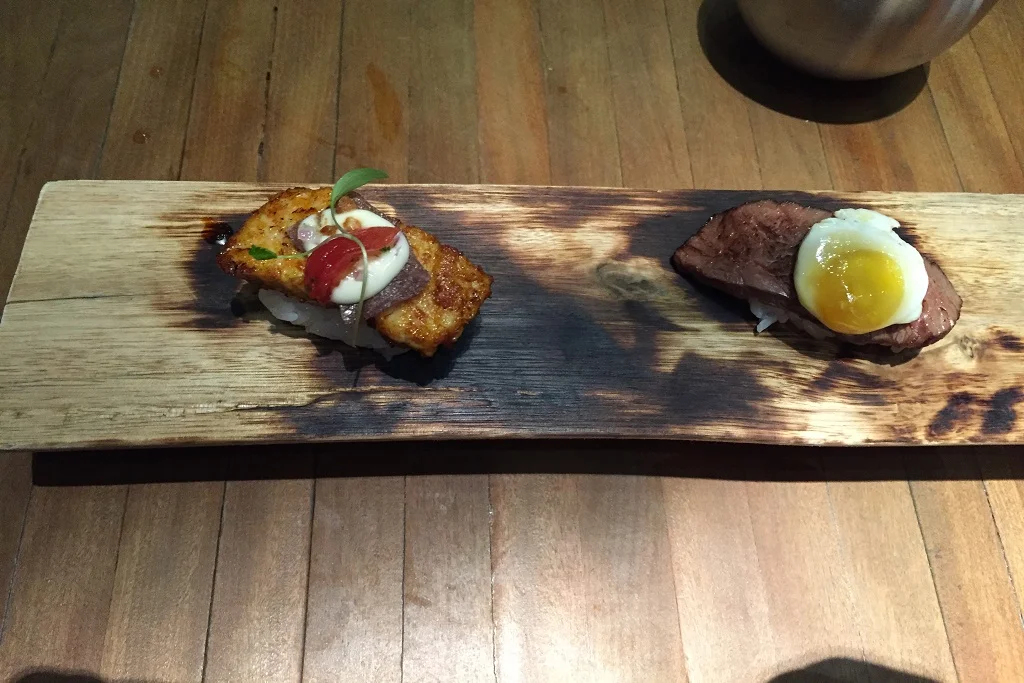
A shared language of food.
Gastrodiplomacy uses food to build cultural understanding and positive associations with a nation. Governments often work with non-state organisations to share a country’s cuisine and strengthen its cultural presence abroad.
Drawing on Paul Rockower’s work, this project considers food a form of public diplomacy that creates emotional connections through everyday experiences.
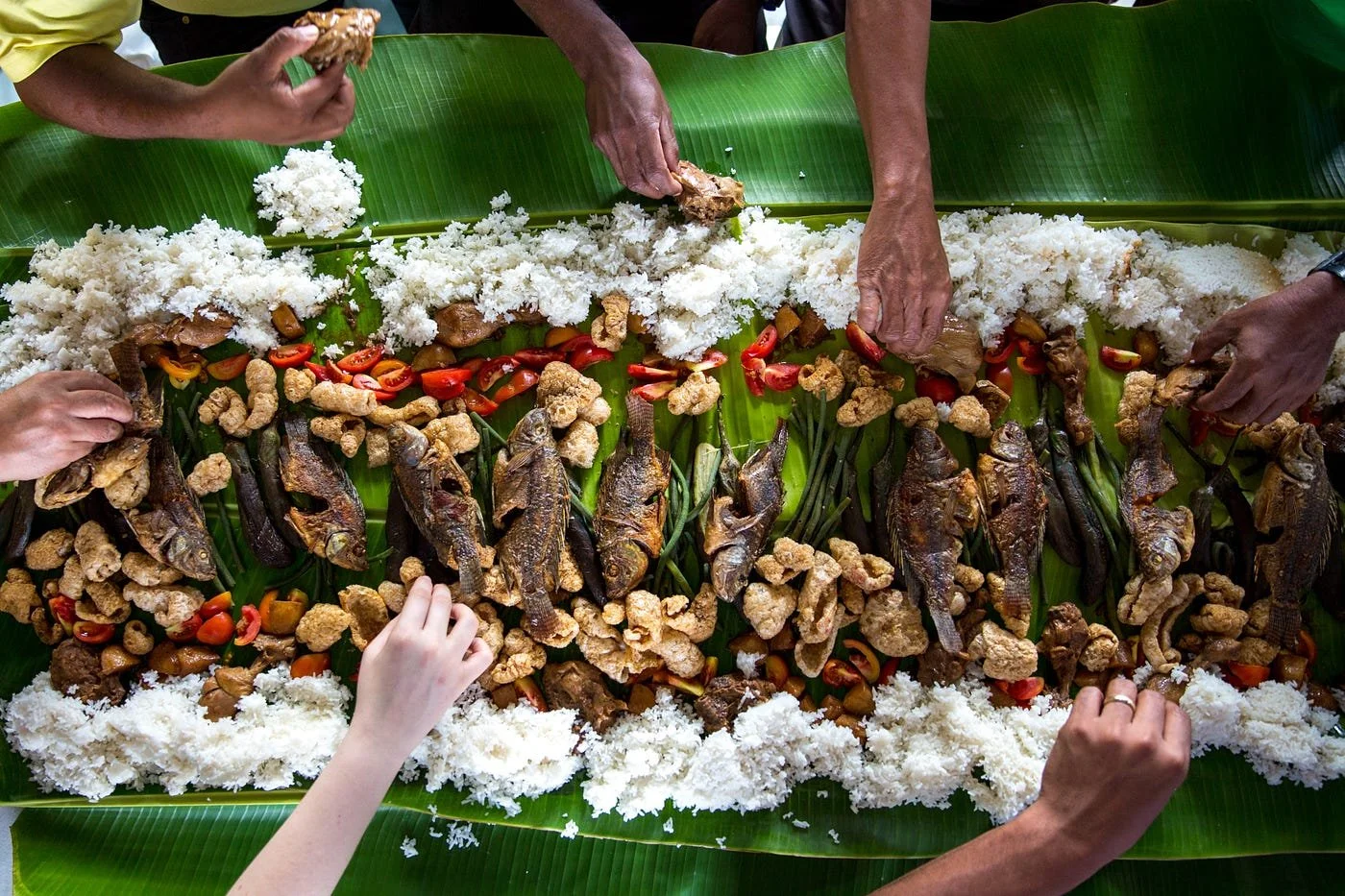
Sharing food creates space for conversation and cultural exchange.
01 / OFFICIAL GASTRODIPLOMACY
How nations tell their stories.
Government-led campaigns use cuisine to communicate culture and shape perceptions of a country. Their purpose extends beyond selling food products: food becomes a means of developing relationships and cultural influence.
These efforts can involve restaurants, culinary events, and experiences that introduce people to a national cuisine. The original site’s country collection includes France, South Korea, Thailand, Taiwan, and Peru.
Browse the country collection02 / NON-GOVERNMENTAL GASTRODIPLOMACY
Connection starts at the table.
A shared meal offers a natural setting for people to meet as equals. Restaurants and food projects can create opportunities for cultural exchange, challenge prejudices, and encourage mutual understanding.
The original project discusses Conflict Kitchen and My Lucky Tummy as examples. These are historical examples from the existing material; their current operations have not been verified.
Further reading
Chapple-Sokol, S. (2013). Culinary diplomacy: Breaking bread to win hearts and minds. The Hague Journal of Diplomacy, 8, 161–183.
Rockower, P. (2012). Recipes for gastrodiplomacy. Place Branding and Public Diplomacy, 8(3), 235–246.
Explore gastrodiplomacy in tourism