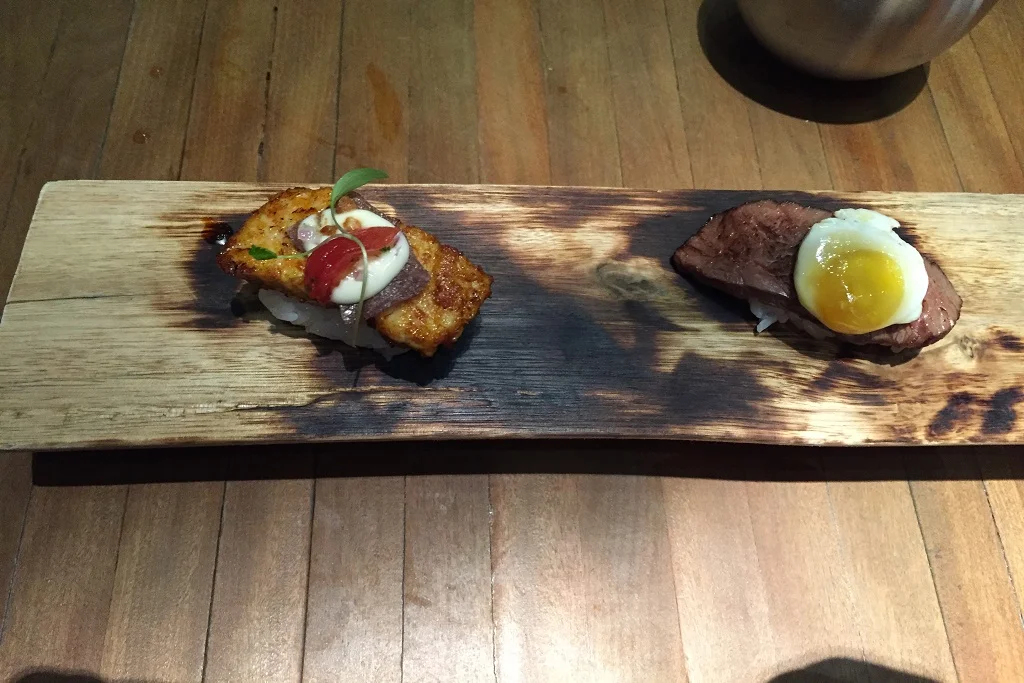
More than what’s on the plate.

A meal can be an invitation to understand another culture. Gastrodiplomacy explores how cuisine helps nations and communities communicate who they are.

This project looks at the connections between food, tourism, national identity, and cultural exchange.

Discover gastrodiplomacy →

Where food and travel meet.

How does experiencing a cuisine shape the way we see a country? Dr. Suntikul’s research examines the relationship between gastrodiplomacy, tourism, and national identity.

Read the research paper (PDF) →

Explore research and news →

One table. Many cultures.

Explore the five countries in the original collection. Their dedicated guides are forthcoming.

France · South Korea · Thailand · Taiwan · Peru

People, places & the food between them.

Explore photographs from the original project.

Visit the gallery →

A curiosity about the world.

Meet Dr. Wantanee Suntikul and learn about the person behind this project.

About Dr. Suntikul →

Let’s connect.

Have a question about gastrodiplomacy, food, or tourism?

Get in touch →

RESEARCH / WANTANEE SUNTIKUL

Gastrodiplomacy
in tourism.

How food, travel, and diplomacy work together to shape the way we experience a country.

Food has connected people across cultural and geographical distances for centuries—from trade in spices, coffee, and sugar to the meals we share while travelling.

Culture, experienced through cuisine.

Dr. Suntikul’s research examines how states and non-state actors use tourists’ encounters with national cuisines to encourage positive associations with a country. Those encounters can happen before a trip, during a visit, and after returning home.
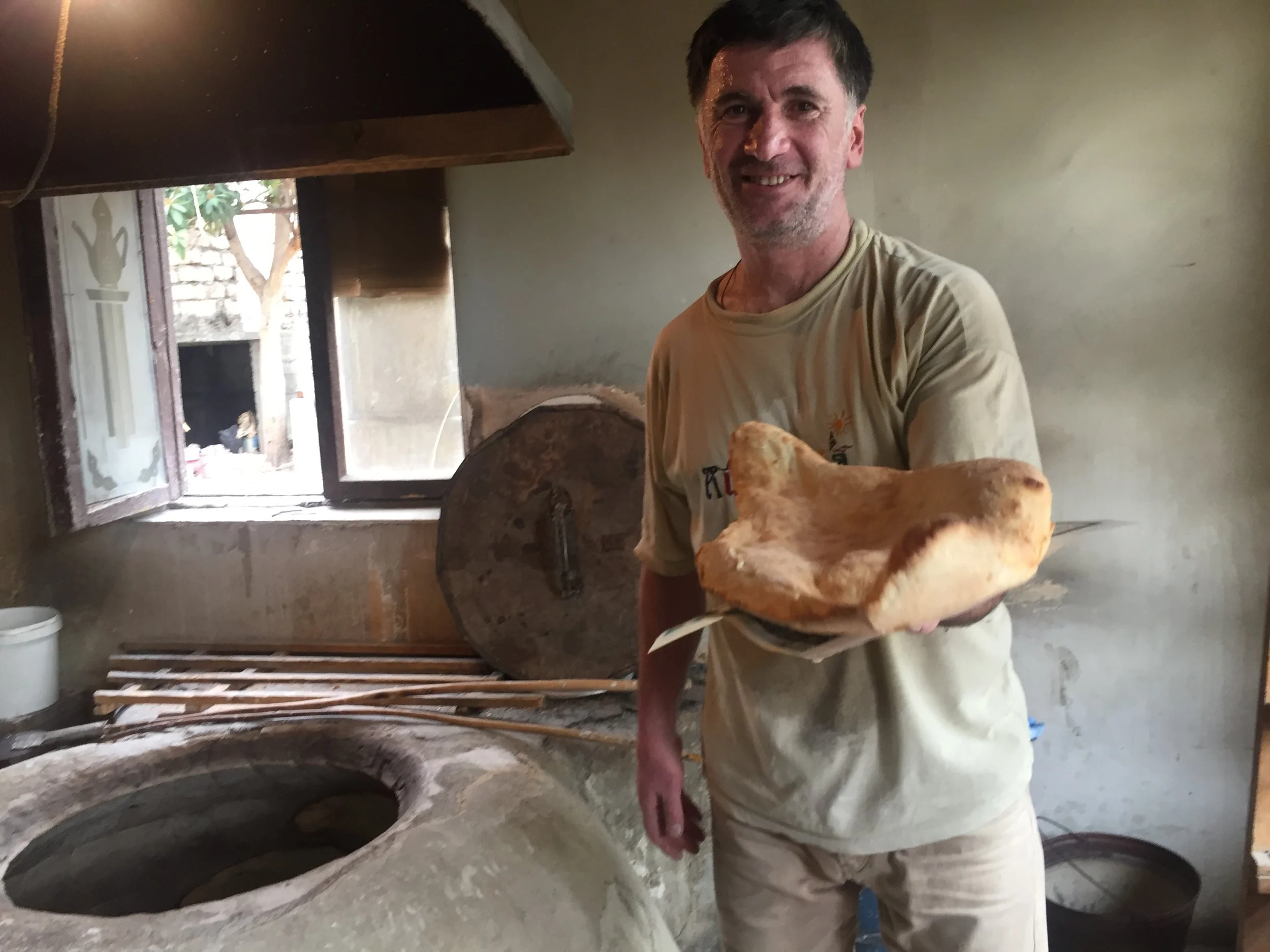
A person demonstrating food preparation

A relationship that continues beyond a journey.

A restaurant abroad can introduce someone to a cuisine and spark an interest in travel. A visit can deepen that connection through local restaurants, markets, and culinary traditions. Back home, familiar dishes can renew the relationship.

In this account, food, tourism, and diplomacy are intertwined. Understanding one requires considering how it relates to the others.

Food becomes a way to encounter a place, its people, and its culture.

Editorial summary of the project’s research overview.

Continue reading

The original paper is available below. It was also featured by the USC Center on Public Diplomacy on August 29, 2017.

Read the full paper (PDF) Read the USC feature